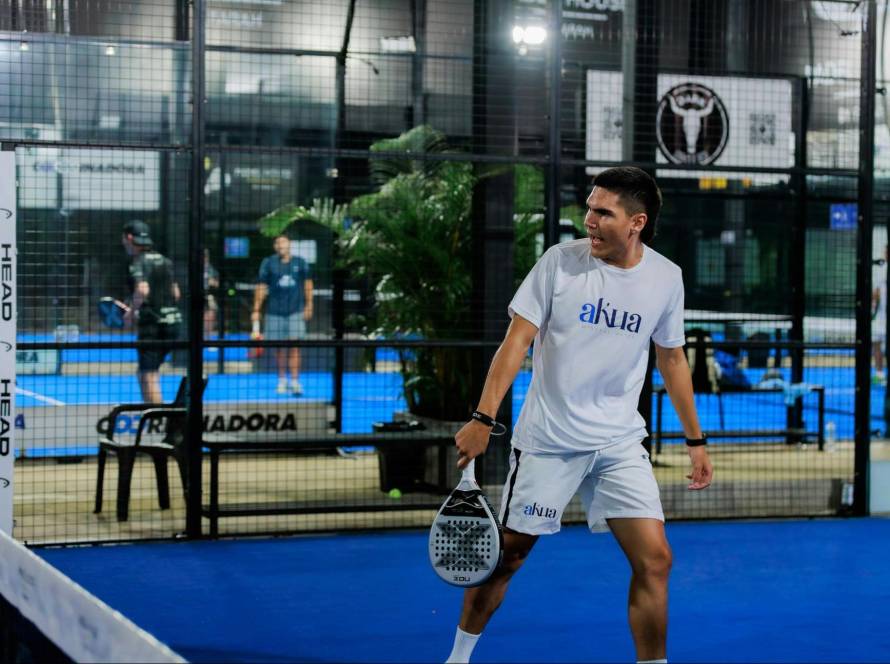
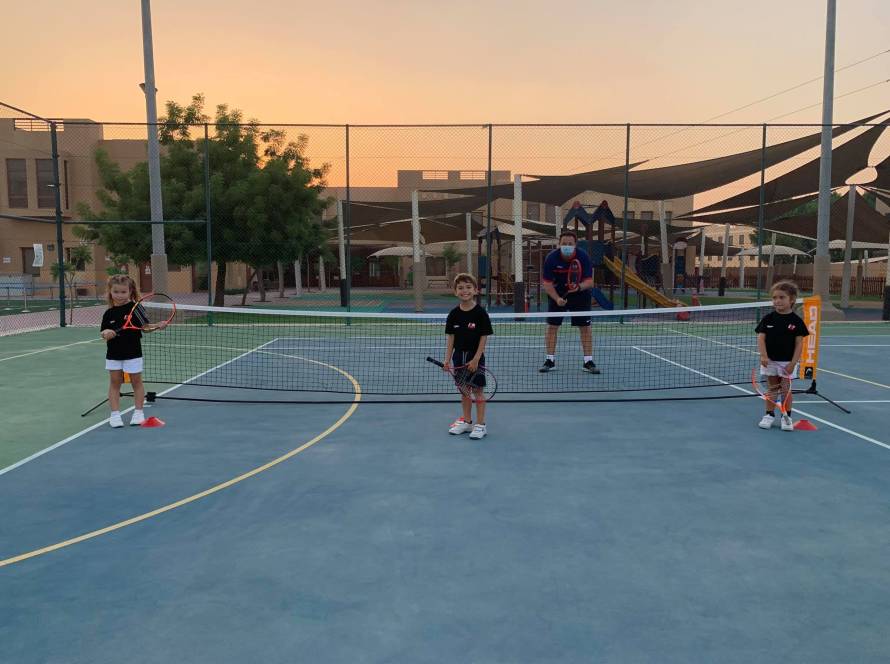
Padel proves harder than pickleball for most beginners due to larger courts and faster rallies. It also includes wall rebounds, which demand quicker reactions during early play. These factors make the first experience feel slightly overwhelming for many new players. You have likely seen padel courts growing across Dubai and Abu Dhabi recently. Crowds gather at Jumeirah clubs and weekend leagues, especially during cooler evenings. Many beginners in the UAE still wonder if padel feels as simple. The short answer is no, because it feels very different once you actually play.
Pickleball started in 1965 on Bainbridge Island in the United States. Friends combined tennis, badminton, and table tennis elements to create a fun game. Padel came later in 1969 from Mexico before spreading across Europe. The UAE adopted it quickly, especially during and after major events.
What is Padel?
Padel blends tennis and squash on a smaller enclosed court surrounded by walls. Glass panels and mesh fencing remain part of every rally during gameplay. Players use solid rackets and hit a softer tennis-style ball. The environment changes how every shot behaves.
What is Pickleball?
Pickleball uses paddles and a plastic ball designed with small holes. The court remains open, and there are no walls affecting the rally. Players compete in singles or doubles over a lower net. The game feels simple from the first few minutes.
Difference 1: Court and Equipment
Padel courts measure around 20 by 10 meters and include surrounding walls. Pickleball courts are smaller and remain open without any enclosing structure. This size difference alone makes padel feel more demanding early on. Movement becomes more important from the first rally. Rackets also differ in shape, weight, and how they connect with the ball. Padel rackets are thicker and solid, while pickleball paddles feel lighter. Balls behave differently, which changes timing and reaction during play. These differences affect how quickly beginners adjust.
Walls change everything once rallies begin and angles start shifting quickly. You either adjust to rebounds or lose control during longer exchanges. Most beginners notice this difference within their first few minutes playing. That moment often defines their early experience.
Difference 2: Rules and Serving
Padel serves start after a bounce and must stay below waist height. Players get two chances, which allows slight recovery after early mistakes. Pickleball uses a single underhand serve without any bounce before contact. That change creates different pressure levels during early points. Padel allows small adjustments during serves, which helps beginners settle into rallies. Pickleball requires immediate accuracy, which can feel strict at first. That small rule difference changes confidence levels during the opening minutes. Many beginners notice this shift quickly.
Here is how they differ in simple terms:
- Padel serves follow a bounce-first and below-waist motion
- Pickleball serves remain underhand without any bounce
- Faults quickly end rallies in both formats
Difference 3: Gameplay and Strategy Compared
Padel rallies feel faster because the ball stays in play much longer. Walls bring the ball back at angles beginners do not expect. Pickleball stays predictable, especially near the kitchen line area. That predictability makes it easier to control early rallies. Beginners often struggle with padel timing during their first few sessions. You react late, then realise the rebound changed your expected shot. Pickleball allows slower exchanges and easier positioning during rallies. That difference shapes how comfortable each game feels.
Ask yourself something simple when watching games at Dubai clubs. Can you track rebounds quickly, or do they feel confusing right now? Your answer often decides which sport feels easier to start. That moment usually becomes your turning point.
Difference 4: Physical Demands
Padel requires more movement, especially when rallies extend across the full court. You move forward, backward, and sideways during almost every exchange. This creates a more physically active experience for most beginners. Fatigue builds faster during longer sessions. Pickleball feels less intense because the court size limits movement demands. You rely more on control and placement rather than constant repositioning. This makes it easier for players easing into sports or returning after breaks. The difference becomes clear within the first session.
Here is a quick comparison:
- Padel needs quick footwork and strong positioning
- Pickleball focuses more on control and steady movement
- UAE heat increases fatigue faster during padel sessions
Difference 5: Accessibility and Learning Curve
Pickleball feels easier to pick up within your first session itself. You understand rallies quickly and build confidence without much struggle. Padel takes longer because wall rebounds require awareness and timing. That delay affects early comfort levels. Access also plays a role across different UAE clubs and playing spaces. Pickleball courts often have shorter wait times and easier bookings. Padel courts fill faster, especially during evening hours. That difference can influence your starting choice.
Progress feels faster in pickleball, while padel rewards long-term improvement. That difference shapes how beginners stay motivated during early sessions. Some prefer quick results, while others enjoy gradual learning. Your mindset decides what feels better.
Conclusion
Padel feels harder mainly because of walls, movement, and faster rally pace. Pickleball offers an easier entry point for beginners across UAE clubs today. Trying both once usually gives you the clearest answer for your comfort. Most players start simple, then move to padel once confidence improves.